Intrusion alarms for homes and businesses
An intrusion alarm, also called a burglar alarm, detects anyone who enters a building or an area without permission and raises the alarm at once. DHAS designs, supplies, installs and maintains intrusion alarm systems in Lebanon for villas, apartments, shops, offices, banks and industrial sites.
Intrusion detection has been part of DHAS’s work since the 1970s. Today we usually combine it with CCTV and access control, so an alarm can be checked on camera and the right doors stay locked.

What an intrusion alarm is made of
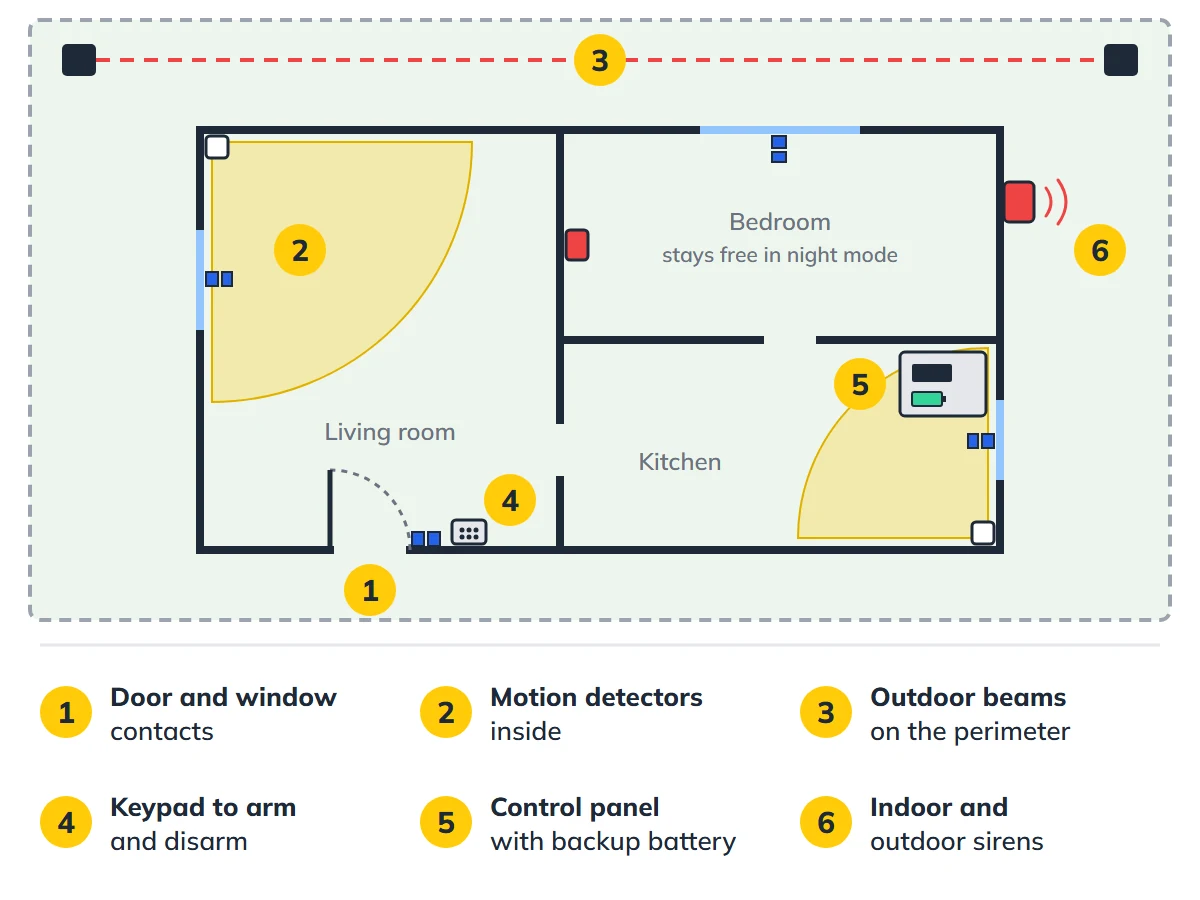
Every system is built from the same parts, chosen and placed for your building. The numbers match the plan above.
- Door and window contacts report the moment a door or window opens.
- Motion detectors sense movement in rooms and corridors. Dual-technology detectors combine two sensing methods to cut false alarms.
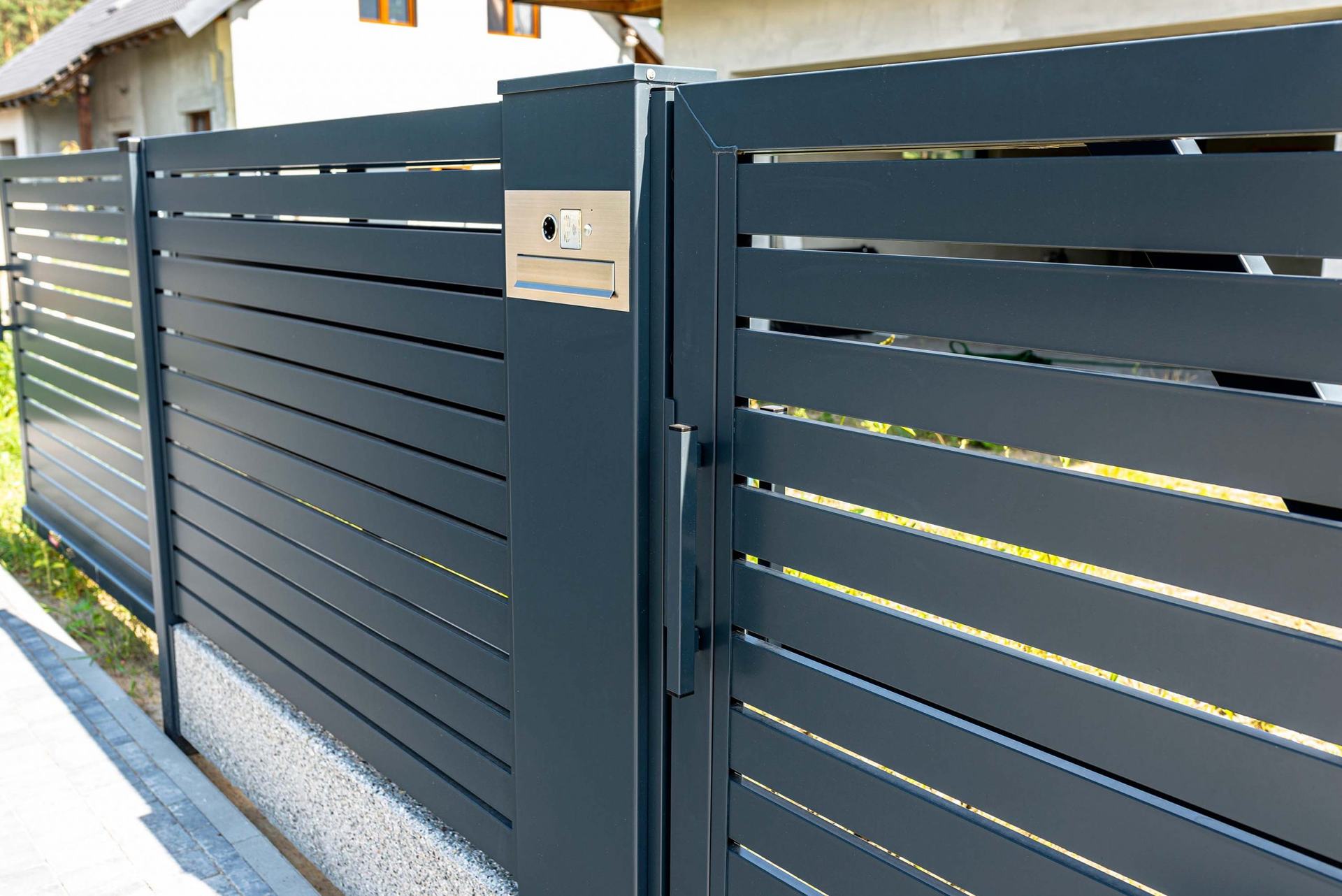
- Outdoor and perimeter detectors, such as beams along a fence, catch intruders in the garden before they reach the building.
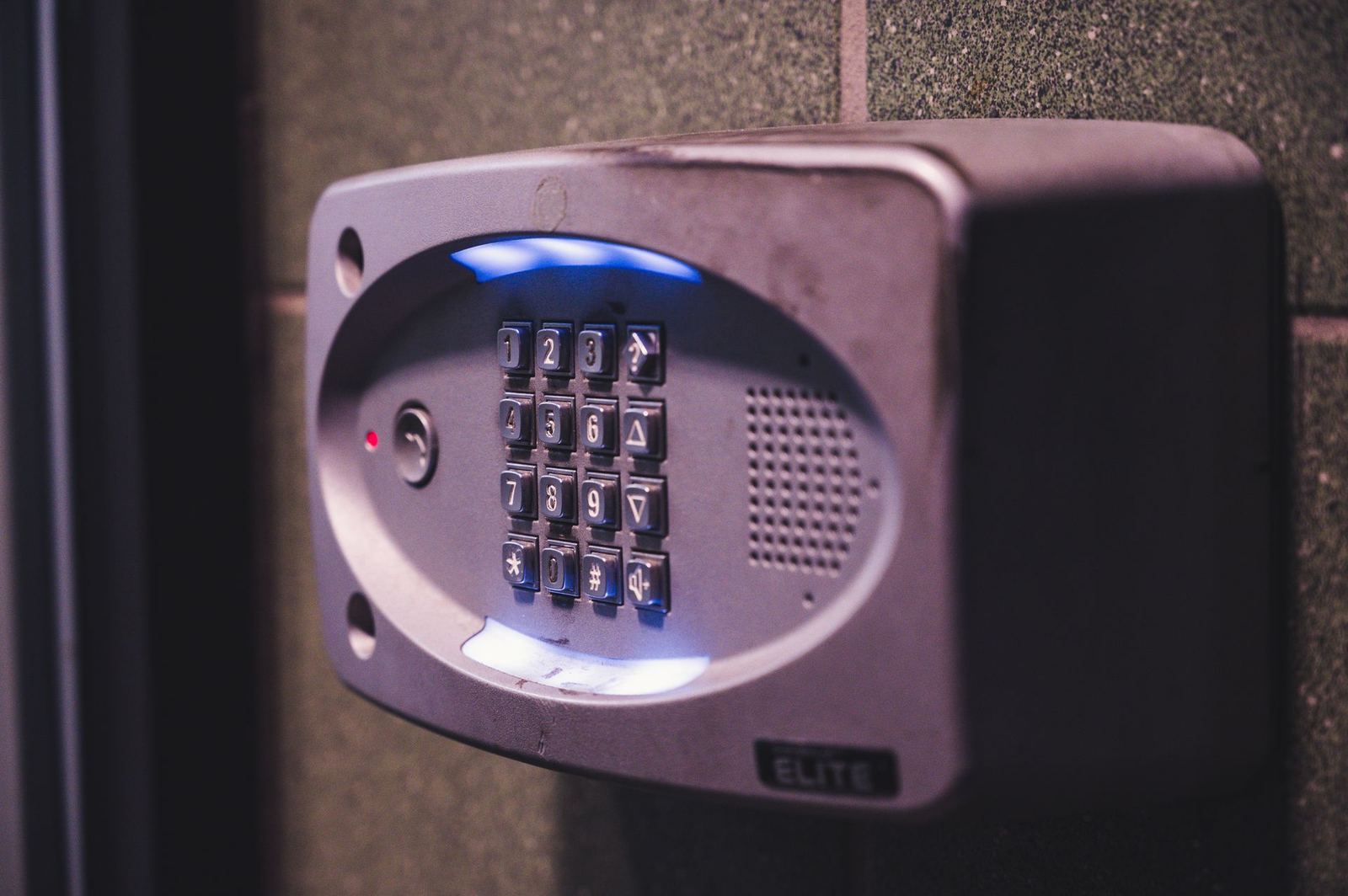
- Keypads, cards and key fobs arm and disarm the system. Each user has their own code, so the panel knows who did what.
- The control panel is the brain of the system, with a backup battery that keeps it running when the power goes off.
- Sirens and flashing lights inside drive the intruder out; outside, they alert neighbours and guards.
Glass-break detectors and panic buttons can be added where needed.
DHAS installs Vanderbilt SPC intrusion systems (pictured), the range originally developed by Siemens, from a small shop or apartment to large sites with many separate areas.
Arm only what you need: zones and night mode
The building is divided into zones, so you choose what is armed and when:
- Away mode: everything is armed when the last person leaves.
- Night mode: doors, windows, the perimeter and the ground floor are armed while you move freely in the bedrooms.
- Separate areas for businesses: each floor, department or store room is armed on its own, on a schedule or by the last person out.
- 24-hour zones: panic buttons and sensitive rooms stay protected even when the rest of the system is off.
Every arming, disarming and alarm is recorded with the user and the time, so a manager can see who opened the shop and when.
Built for power cuts and tampering
In Lebanon a security system has to cope with power cuts and the switch between the grid and a generator. The control panel and sirens run on backup batteries, so the system keeps watching during outages.
The panel, keypads and sirens are tamper-protected: opening a cover or cutting a cable raises an alarm. Wired detectors suit new buildings and renovations; wireless detectors avoid new cabling in finished homes and offices. Many systems combine both.
Alerts, cameras and one security system
When an alarm goes off, the system alerts the people who need to act, usually on their phones: a call, a text message or a notification in the app. Larger sites can also report to a guard room or a monitoring centre. Who is told, and how, is set up with you during commissioning.
Linked with CCTV, an alarm calls up the cameras of the area that triggered it, so the security team can see what is happening before they respond. Linked with access control, staff can arm and disarm with the same cards they use on the doors.
On larger sites, Siemens Cerberus DMS brings intrusion detection, fire detection, access control and video surveillance into one management station.
The alarm as part of a smart home or building
In a KNX home or building, the alarm can work with the automation instead of beside it. Arming the alarm as you leave can switch off the lights, close the blinds and set the air-conditioning back; an alarm at night can switch on the lights inside and outside.
With Home Assistant as a supervisory layer, the alarm, the cameras, the lights and the energy system can be followed from one app on your phone. Our own headquarters and a private residence we designed both run KNX with Home Assistant on top: read the two case studies on our home and building automation page.
How we work
- Consulting and site survey — our consultants study the site with you, explain the options and give demos where needed (consulting).
- Design — detectors chosen room by room, with zones and arming modes planned around how you use the building.
- Supply and installation — by DHAS technicians, with neat installation and on-site fine tuning (installation).
- Commissioning and handover — programming, testing, and training for the people who will use the system.
- Maintenance — maintenance contracts with scheduled visits keep the system at its best, extend its life and reduce false alarms (maintenance programs).
Frequently asked questions
Should I choose a wired or a wireless alarm?
Wired detectors are the most robust choice for new buildings and renovations. Wireless detectors avoid new cables in finished homes and offices. Many systems combine both; we recommend after a site visit.
Does the alarm work during a power cut?
Yes. The control panel and sirens have backup batteries, so the system keeps working during outages and generator change-overs. We check the batteries during maintenance visits.
Will I be alerted on my phone?
Yes. The system can call you, send a text message or notify you in its app. Larger sites can also report to a guard room or a monitoring centre.
Can I arm the ground floor at night and still move around upstairs?
Yes. Night mode arms the perimeter and the areas you choose, while the bedrooms stay free.
Will my pets set off the alarm?
Motion detectors can be chosen and placed to tolerate small pets. Tell us about them during the site visit.
Can the alarm work with my cameras?
Yes. Linked with CCTV, an alarm calls up the cameras of the area that triggered it.
Do you maintain intrusion alarms?
Yes. Our maintenance contracts include scheduled visits to test every detector, the sirens, the tamper switches and the batteries.
Plan your intrusion alarm
Tell us about your home or premises: the number of rooms, entrances and floors. Call +961 1 68 37 70 or send us a message, and we will arrange a visit to your site.